
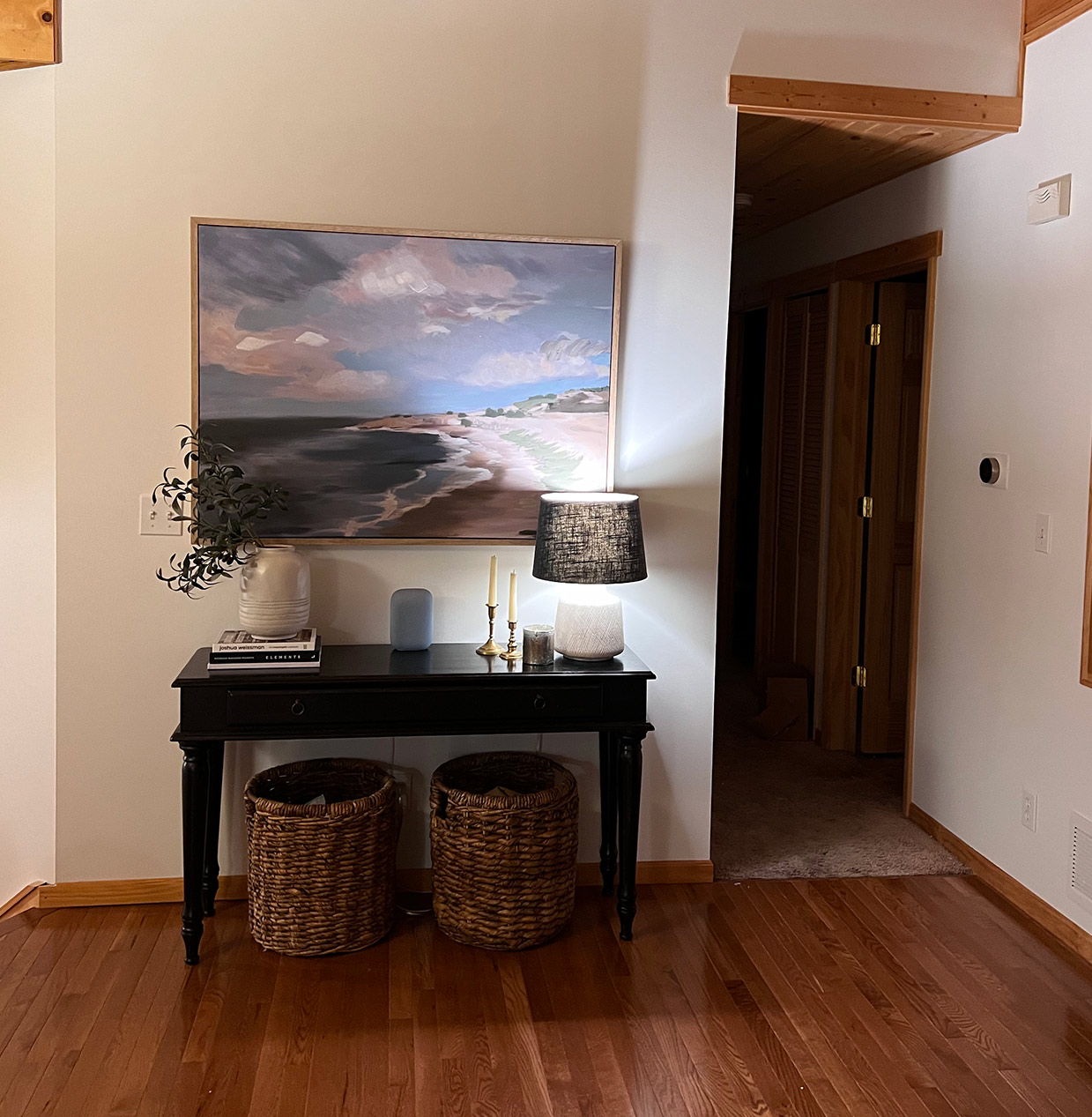
Every homeowner has experienced the frustration of attempting a simple touch-up only to discover that their carefully saved paint creates an obvious patch that somehow looks completely different from the surrounding wall. Despite using the exact same paint from the original project, the touch-up area appears lighter, darker, or simply “off” in a way that draws attention rather than blending seamlessly. This maddening phenomenon isn’t a result of defective paint or poor application technique—it’s the inevitable outcome of complex interactions between paint chemistry, environmental factors, and the aging process that affects every painted surface in your home.
Understanding why touch-up paint never matches perfectly requires delving into the science of how paint behaves over time and how various factors influence color perception. Paint isn’t a static material that maintains identical properties from the moment of application through years of service life. Instead, it’s a dynamic system that responds continuously to environmental conditions, UV exposure, temperature fluctuations, and chemical interactions that gradually alter both its physical structure and visual appearance. These changes begin immediately after application and continue throughout the paint’s lifespan, creating an ever-widening gap between fresh paint and aged surfaces.
The phenomenon of paint aging begins with photochemical reactions triggered by ultraviolet radiation from both natural sunlight and artificial lighting sources. Even interior walls receive UV exposure through windows, and this radiation gradually breaks down the molecular bonds in paint pigments and resins, causing subtle but measurable changes in color and gloss characteristics. Dark colors tend to fade lighter over time, while certain light colors may yellow or shift toward warmer tones, particularly when exposed to UV radiation or heat sources like radiators common in older Minneapolis homes. These changes occur so gradually that homeowners typically don’t notice them until they attempt a touch-up that reveals the dramatic difference between aged and fresh paint.
Oxidation represents another critical factor in paint aging that affects color matching efforts. Oxygen molecules in the air react with paint components over time, creating chemical changes that alter both color and surface texture. This oxidation process occurs more rapidly in environments with higher humidity levels, such as Minneapolis bathrooms and kitchens, where moisture accelerates chemical reactions. The oxidized surface develops a slightly different texture and light-reflecting properties compared to fresh paint, making even perfectly matched colors appear different due to variations in how light bounces off the surface.
Environmental contamination plays a significant role in color changes that make touch-up matching nearly impossible. Microscopic particles of dust, cooking vapors, cigarette smoke, and household chemicals gradually accumulate on painted surfaces, creating a thin layer of contamination that subtly alters color appearance. In Minneapolis homes, this contamination often includes particles from winter heating systems, summer humidity, and outdoor pollutants that infiltrate through normal air exchange. While this contamination layer may be invisible to casual observation, it becomes glaringly obvious when fresh, clean paint is applied adjacent to contaminated surfaces.
Gloss level changes represent another major obstacle to successful touch-up applications. Paint sheen naturally dulls over time due to microscopic surface abrasion from cleaning, contact, and normal wear patterns. High-traffic areas like hallways and children’s rooms experience more rapid gloss reduction, while protected surfaces maintain their original sheen longer. When fresh paint with its original gloss level is applied to areas surrounded by dulled surfaces, the difference in light reflection creates an obvious visual contrast that makes the touch-up area appear to be a completely different color, even when the pigmentation is identical.
The batch variation inherent in paint manufacturing adds another layer of complexity to color matching challenges. Paint manufacturers mix colors in large batches using computerized systems that achieve remarkable consistency, but slight variations in raw materials, mixing conditions, and environmental factors during production can create subtle differences between batches. These variations, known as metamerism, may be virtually invisible when comparing paint samples under store lighting but become apparent when applied in your home’s specific lighting conditions. Professional paint stores maintain detailed records of color formulations and can adjust mixtures to compensate for known batch variations, but homeowners relying on old paint cans have no way to account for these differences.
Lighting conditions dramatically influence color perception and represent one of the most challenging aspects of color matching. The same paint can appear significantly different under various lighting conditions due to the different wavelengths of light emitted by incandescent, fluorescent, LED, and natural light sources. Minneapolis homes often feature mixed lighting types, with natural light from windows, overhead fixtures, and accent lighting all contributing to how colors appear throughout the day. A touch-up that looks acceptable under morning natural light may appear glaringly obvious under evening artificial lighting, creating a problem that seems to change depending on when you observe it.
Temperature and humidity fluctuations during application significantly affect how touch-up paint dries and cures, influencing both color development and surface characteristics. Paint applied during different seasons or weather conditions may cure differently than the original application, creating variations in final appearance even when using identical materials. Minneapolis’s extreme seasonal variations mean that paint applied during humid summer conditions cures differently than paint applied during dry winter heating season, potentially creating noticeable differences in color and texture.
Surface preparation differences between original painting and touch-up applications often contribute to color matching failures. Professional painters typically apply paint to carefully prepared, primed surfaces during new projects, while homeowners attempting touch-ups often apply paint directly over existing finishes or inadequately prepared areas. These preparation differences affect how paint adheres, flows, and cures, resulting in variations in color development and surface texture that make touch-ups obvious regardless of color accuracy.
Professional painters employ several strategies to minimize color matching challenges and achieve more successful touch-up results. Color documentation involves recording precise color formulations, batch numbers, and application details for future reference, enabling more accurate color reproduction when touch-ups become necessary. Professional-grade colorimeters can measure existing paint colors with precision far exceeding human visual assessment, providing data for more accurate color matching at professional paint stores equipped with advanced mixing systems.
Blending techniques used by professionals extend touch-up areas beyond the damaged spot to create gradual transitions that disguise color variations. Rather than attempting to match colors exactly, skilled painters feather edges and blend new paint into surrounding areas over larger sections, making any color differences less noticeable. This approach requires more material and time but produces far superior results compared to spot touch-ups that highlight color mismatches.
Strategic planning for future touch-ups begins during original painting projects when professionals apply paint systems and maintain detailed records that facilitate future maintenance. This includes saving adequate quantities of properly stored paint, documenting environmental conditions during application, and establishing maintenance schedules that address aging before color shifts become pronounced. Professional painters often recommend repainting entire walls or rooms rather than attempting extensive touch-ups, as this approach ensures uniform appearance and eliminates color matching challenges entirely.
Surface cleaning and preparation protocols used by professionals address contamination and surface degradation that contribute to color matching difficulties. Thorough cleaning removes accumulated contamination that affects color appearance, while appropriate primers ensure uniform substrate conditions for new paint application. Professional-grade cleaning products and techniques can often restore aged paint surfaces closer to their original appearance, reducing the color gap between existing and new paint.
Advanced color matching technology available to professional painters includes spectrophotometers that analyze color composition with scientific precision, computer-controlled mixing systems that reproduce colors with exceptional accuracy, and specialized primers designed to neutralize color variations and provide uniform backgrounds for topcoats. These professional tools and techniques achieve color matching results far superior to consumer-grade approaches but require training and experience to use effectively.
The economic reality of color matching challenges often makes complete repainting more cost-effective than extensive touch-up efforts. When multiple touch-up attempts fail to achieve acceptable results, the accumulated cost of materials, time, and frustration often exceeds the cost of professional repainting that guarantees uniform appearance. Professional painters can evaluate whether touch-up approaches are likely to succeed or whether complete repainting represents the most practical solution for achieving desired results.
Quality control measures employed by professional painting contractors include systematic color verification procedures, standardized application techniques, and comprehensive documentation that enables successful future maintenance. These measures prevent many color matching problems before they occur and provide solutions when touch-ups become necessary years after original painting projects.
At Headwaters Painting, we understand the frustration Minneapolis homeowners experience with color matching challenges and failed touch-up attempts. Our systematic approach to color documentation, professional-grade color matching technology, and proven application techniques eliminate the guesswork and disappointment associated with DIY touch-up efforts. When you need reliable solutions for color matching challenges or want to avoid future touch-up problems entirely, our experienced team provides the expertise and professional tools necessary to achieve the uniform, beautiful results your Minneapolis home deserves. Contact us today for your free consultation and estimate, and let us show you how professional color management can save you time, money, and frustration while delivering the flawless finish you’re looking for.