
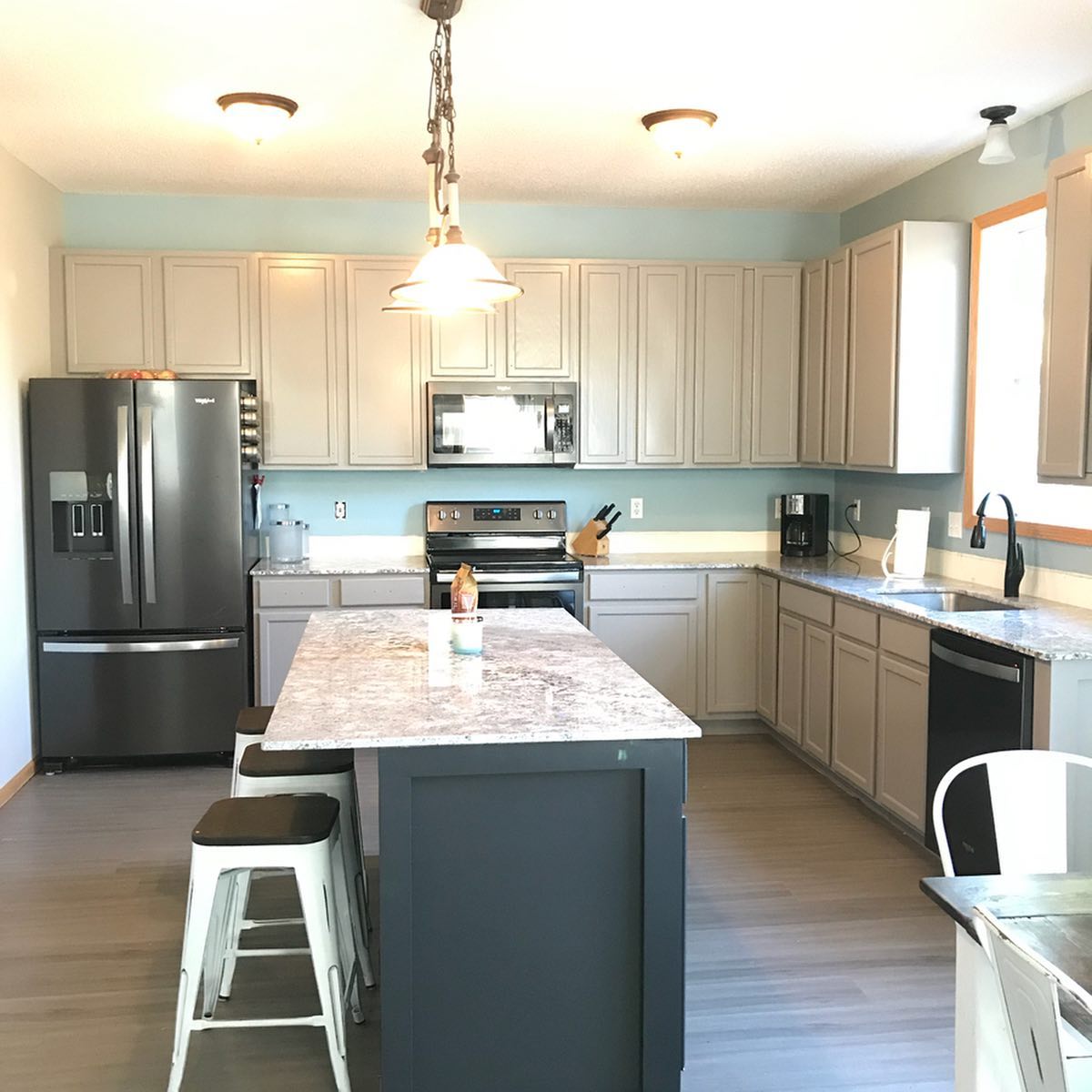
Minnesota winters create the perfect opportunity for interior painting projects that homeowners often postpone during warmer months when outdoor activities dominate attention, and kitchen cabinet painting represents the single most dramatic and cost-effective transformation available for Minneapolis and Twin Cities homeowners facing outdated kitchens that function perfectly but look tired and dated. Cabinet painting delivers visual impact comparable to complete kitchen renovations while costing seventy to eighty-five percent less than cabinet replacement, typically ranging from three thousand to seven thousand dollars for professional work versus fifteen thousand to thirty thousand dollars or more for new cabinetry installation. Winter’s indoor focus makes it an ideal season to tackle cabinet painting projects that would disrupt summer entertaining and outdoor living, allowing you to enjoy a completely transformed kitchen by spring while avoiding the contractor scheduling congestion that makes summer and fall project timing challenging and expensive. Understanding why cabinet painting works so successfully, which cabinet situations are good candidates versus those requiring replacement, and what the professional painting process entails helps Minneapolis homeowners make informed decisions about this high-impact investment that can completely change how they feel about their kitchens without the expense and disruption of full renovations.
Why Cabinet Painting Delivers Such Dramatic Transformation
Kitchen cabinets occupy roughly forty percent of visible wall space in most kitchens while also framing major appliances and defining the room’s overall aesthetic, making them by far the most visually dominant element determining whether your kitchen feels modern and fresh or dated and tired. The color and finish of your cabinets affects everything else in the room—countertops, backsplash, flooring, and wall colors all relate to cabinet tones, creating either cohesive harmony or jarring disconnect depending on how these elements coordinate. This dominant visual role means that updating cabinet color through professional painting creates transformation disproportionate to the actual work involved, similar to how changing wall colors refreshes rooms but amplified because cabinets occupy so much more visual prominence than walls.
The psychological impact of kitchen transformation extends beyond simple aesthetics, as the kitchen represents the heart of most Minneapolis homes where families gather, meals are prepared, and daily life unfolds. Living with outdated cabinets that you actively dislike creates low-level dissatisfaction every time you enter the kitchen, while beautifully refreshed cabinets you’re proud of enhance your entire home experience. Many homeowners describe feeling like they have a completely new kitchen after professional cabinet painting even though the layout, appliances, and fundamental structure remain unchanged—the visual transformation is that complete and affects daily satisfaction that profoundly.
The timing advantages of winter cabinet painting stem from several factors that make cold-weather projects more feasible and desirable than many homeowners initially realize. Unlike exterior painting which genuinely requires moderate temperatures, interior cabinet painting progresses perfectly well during Minnesota’s coldest months since your heated home maintains ideal working conditions regardless of outdoor temperature. Winter’s lack of humidity actually benefits paint curing by creating the dry air conditions that help modern cabinet paints cure faster and harder than during humid summer months. The reduced social calendar that winter typically brings means less entertaining disruption from the temporary kitchen inconvenience that cabinet painting creates, allowing you to schedule projects when guests aren’t constantly using the space you’re improving.
Assessing Whether Your Cabinets Are Good Painting Candidates
Not every kitchen cabinet situation makes sense for painting rather than replacement, and honest assessment of cabinet condition and quality determines whether painting represents wise investment or expensive postponement of inevitable replacement. Cabinets that are structurally sound with solid construction, properly functioning hardware, doors that close and latch correctly, and drawer boxes in good condition are excellent painting candidates regardless of how dated the current finish appears. The test is whether you’d be satisfied with your kitchen layout and cabinet functionality if they simply looked completely different—if the answer is yes, painting makes tremendous sense, while if cabinet configuration, storage capacity, or fundamental quality frustrates you, painting won’t address those underlying problems.
Material quality matters significantly in painting candidacy, with solid wood and high-quality plywood cabinets accepting paint beautifully while certain materials like thermofoil or laminate create challenges. Thermofoil cabinets—identified by their smooth, seamless appearance without visible wood grain—can be painted but require specialized primers and meticulous surface preparation because the vinyl film covering doesn’t provide ideal adhesion for paint. Laminate cabinets similarly require aggressive surface preparation and specialized primers, with results that are acceptable but not as durable as painting wood cabinets. Many Minneapolis homes built from the 1960s through 1980s feature solid wood cabinets in dated finishes like golden oak or dark stain that are perfect painting candidates, as the underlying quality wood accepts paint readily and will outlast most homeowners’ tenure in the property with proper finishing.
Damage assessment helps determine whether simple repair work can prepare cabinets for painting or whether deterioration has progressed beyond what painting can reasonably address. Cabinets showing minor dings, scratches, or veneer chips can be repaired during the painting prep process through filling, sanding, and priming that creates smooth, uniform surfaces for topcoats. However, cabinets with severe water damage, delaminating panels, broken structural elements, or widespread veneer failure represent poor painting candidates where repair costs approach replacement costs while still leaving you with fundamentally compromised cabinets. Water damage around sinks from chronic leaks often creates the threshold condition where replacement makes more sense than attempted restoration through painting.
The Professional Cabinet Painting Process
Professional cabinet painting differs dramatically from painting walls or trim, requiring specialized processes that many general painters don’t master and that DIY attempts almost never achieve successfully. The process begins with complete cabinet removal—doors, drawer fronts, and often drawer boxes—transporting components to a controlled workshop environment where proper preparation and finishing can occur. Attempting to paint cabinets in place rarely produces professional results because achieving smooth, drip-free finishes on vertical surfaces with complex profiles and recessed panels requires horizontal positioning that only removed components allow. The workshop environment also provides dust control, proper lighting, temperature stability, and controlled humidity that home environments can’t match during Minnesota winters.
Surface preparation represents the most critical phase determining final quality, beginning with thorough cleaning to remove years of accumulated cooking grease, general grime, and silicone residues that prevent paint adhesion. Professional cabinet painters use TSP solutions or specialized degreasers followed by careful rinsing and complete drying before any sanding begins. After cleaning, all surfaces require sanding to remove existing finish gloss and create mechanical adhesion for primers, with professional work using multiple grits progressing from coarser initial sanding to fine finishing that creates perfectly smooth surfaces. This labor-intensive sanding phase separates professional results from amateur attempts—inadequate sanding leaves glossy patches where paint won’t adhere, while over-aggressive sanding creates scratches visible through final finishes.
Primer application provides the foundation for durable, attractive finishes, with product selection matching the existing cabinet material and finish type. Oil-based primers traditionally provided the gold standard for cabinet work, offering superior adhesion, stain blocking, and the dead-smooth surface that luxury finishes require, though modern waterborne primers formulated specifically for cabinets now deliver comparable performance with easier application and cleanup. Professional cabinet painters typically apply two primer coats with light sanding between coats, creating the perfectly uniform base that allows topcoats to look their absolute best. This multiple-coat approach with intermediate sanding represents another distinction between professional and amateur work—DIY projects rushing through single primer coats inevitably show inconsistencies in final finishes.
Paint Products and Finish Options
The dramatic quality difference between professional cabinet painting and DIY attempts often comes down to paint products, with true cabinet-specific paints costing two to three times as much as standard trim paint but delivering performance characteristics specifically engineered for the demanding cabinet environment. Premium cabinet paints use modified alkyd or hybrid formulations that cure to exceptionally hard, durable surfaces resisting the chips, scratches, and wear that kitchen use creates. These specialized products level beautifully to create the smooth, professional finish that defines quality cabinetry while maintaining workability during application that allows proper brush and spray technique.
Finish sheen selection affects both appearance and practicality, with most Minneapolis homeowners choosing satin or semi-gloss finishes that balance elegant appearance with the cleanability that kitchen cabinets require. Flat finishes show every fingerprint and lack the protective properties needed for surfaces that get touched constantly, while high-gloss creates dramatic contemporary looks but highlights every surface imperfection and shows wear patterns more obviously. Satin provides a soft luster that’s forgiving of minor imperfections while still offering good cleanability, while semi-gloss delivers the slight shine many homeowners associate with quality cabinetry. Color selection deserves careful consideration since cabinet color dominates kitchen aesthetics—popular current choices include soft whites and creams for traditional looks, warm grays for contemporary feels, and navy or forest green for dramatic statements that remain timeless.
Application method separates professional results from adequate DIY work, with spray application providing the smooth, factory-like finish that brushing can’t match on cabinet faces and drawer fronts. Professional shops use HVLP spray systems in controlled environments with proper ventilation and dust collection, applying multiple thin topcoats rather than single heavy applications. Many cabinet painters apply three or even four topcoats, sanding lightly between coats with ultra-fine abrasives, building the depth and smoothness that creates truly luxurious results. This meticulous multi-coat approach explains why professional cabinet painting takes one to two weeks from removal to reinstallation—the process cannot be rushed without compromising the quality that makes the investment worthwhile.
At Headwaters Painting, we’ve refined our cabinet painting process through countless kitchen transformations across the Minneapolis area. Time and again, homeowners are amazed by how dramatically painted cabinets can change the look and feel of their kitchen. We also understand how disruptive kitchen projects can be to daily life, so we work efficiently to minimize downtime without compromising the careful preparation and application that ensures results that last. With winter availability, we’re often able to schedule projects more quickly and complete them faster than during the busy spring and summer seasons. Contact us today for your cabinet painting consultation. We’ll assess your cabinets, discuss your vision, and provide a clear, transparent proposal outlining our process and timeline. Don’t spend another year frustrated with cabinets you don’t love—cabinet painting is more affordable than you might think and delivers satisfaction you’ll enjoy every single day.