
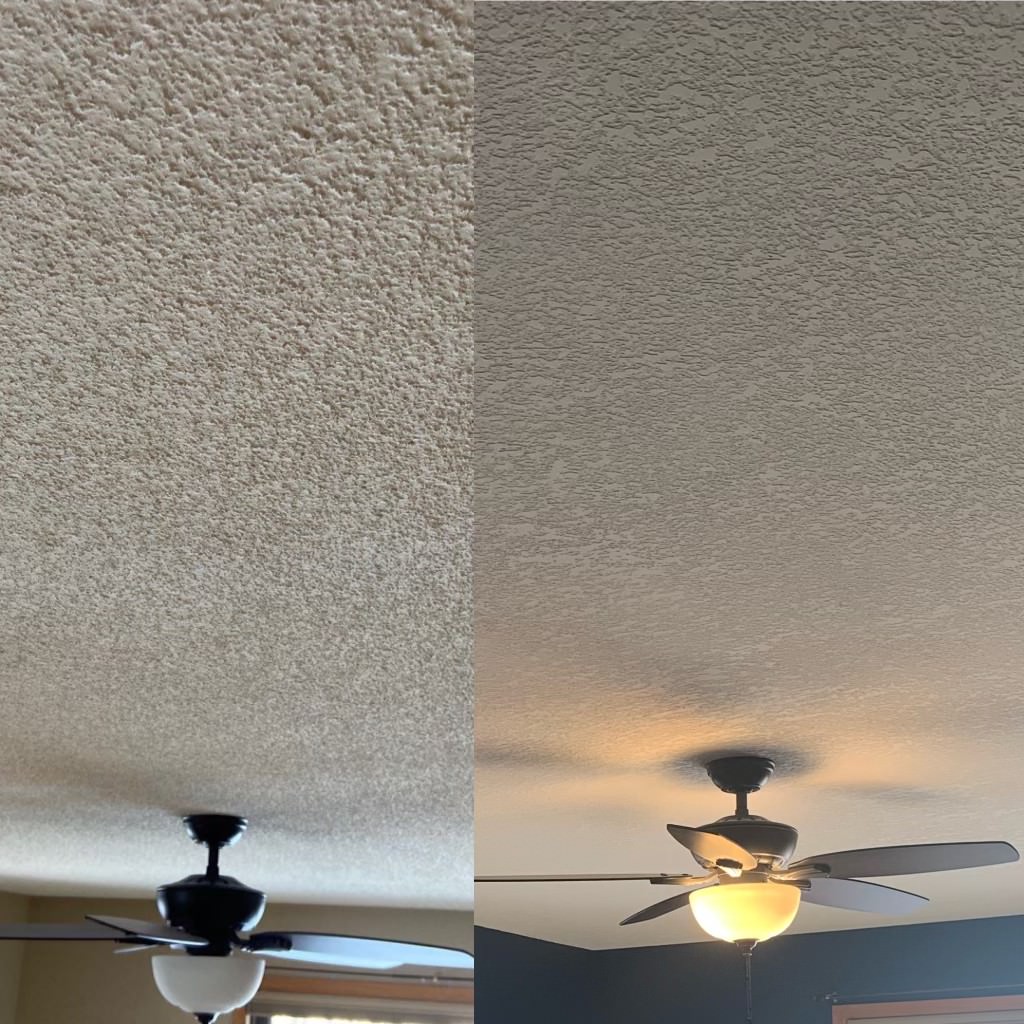
Popcorn ceilings represent one of the most dated interior design elements in Minneapolis homes, instantly broadcasting a home’s 1970s or 1980s construction origins while creating maintenance challenges and aesthetic problems that many homeowners tolerate simply because they assume removal requires expensive, disruptive renovation beyond typical interior painting budgets. The reality is that popcorn ceiling removal and replacement with modern smooth or subtle texture finishes has become a routine service that professional painting contractors complete efficiently, typically costing far less than homeowners expect while delivering dramatic visual transformation that makes entire homes feel updated and contemporary. Winter represents the ideal season for these ceiling upgrade projects because the work creates more dust and disruption than standard painting, making the period when you’re spending more time indoors with windows closed preferable to attempting ceiling work during summer months when open windows would spread dust throughout your property and neighborhood. Understanding why popcorn ceilings were originally installed, what asbestos testing requirements apply to removal projects, which modern ceiling finish options deliver the best results, and what the professional removal and refinishing process entails helps Minneapolis homeowners make informed decisions about this high-impact upgrade that can transform dated spaces into contemporary showcases.
The History and Problems of Popcorn Ceilings
Popcorn texture—also called acoustic ceiling, cottage cheese ceiling, or stipple ceiling—became ubiquitous in American residential construction from the 1950s through the 1980s because it solved multiple construction problems while reducing costs. The textured spray application concealed ceiling imperfections that smooth finishing would reveal, allowed builders to skip the labor-intensive taping and finishing required for smooth ceilings, and provided modest acoustic dampening that reduced sound transmission between floors in multi-story homes. These practical advantages made popcorn texture the default ceiling treatment for builder-grade homes, with Minneapolis seeing widespread popcorn ceiling installation throughout suburban development during the 1960s through 1980s building boom that created much of the region’s current housing stock.
The problems with popcorn ceilings extend beyond simple dated appearance, starting with maintenance challenges that smooth ceilings don’t present. The textured surface traps dust, cobwebs, and airborne particles that are difficult to clean without damaging the texture, meaning popcorn ceilings typically grow progressively dirtier throughout their lifespan. Water damage from roof leaks, plumbing issues, or condensation creates permanent staining on popcorn texture that can’t be adequately addressed through painting, as the texture prevents proper stain blocking and the damaged texture itself often requires complete removal and reapplication. The fragile nature of popcorn texture means it’s easily damaged by contact—moving furniture, installing light fixtures, or even vigorous dusting can knock chunks of texture loose, creating repairs that rarely match the surrounding original texture.
The lighting problems popcorn ceilings create receive less attention but significantly affect room appearance, as the rough texture casts countless tiny shadows that make ceilings appear darker and lower than smooth surfaces would. Modern recessed lighting and track lighting systems popular in contemporary design highlight popcorn texture’s uneven surface in ways that period lighting didn’t, creating visual emphasis on what should recede into the background. Many Minneapolis homeowners report that removing popcorn ceilings and painting smooth makes rooms feel measurably brighter and more spacious even when nothing else changes, as light reflection improves dramatically with smooth painted surfaces.
Asbestos Testing Requirements and Safety Protocols
The critical first step before any popcorn ceiling removal project is asbestos testing, as popcorn texture manufactured and installed before 1980 frequently contains asbestos fibers that were added to improve fire resistance and strengthen the texture material. Federal regulations prohibit disturbing asbestos-containing materials without proper containment and disposal procedures, making testing mandatory before removal can proceed. The testing process involves collecting small samples from multiple ceiling locations—typically three to five samples from different rooms or ceiling sections—and submitting them to certified laboratories for analysis. Testing costs typically range from two hundred to four hundred dollars for residential homes, a small investment that determines the entire approach to your ceiling project.
If testing reveals asbestos presence, removal requires certified asbestos abatement contractors following strict protocols including complete work area containment, negative air pressure systems, personal protective equipment, and specialized disposal at approved facilities. Asbestos abatement costs significantly more than standard ceiling removal—often two to four times as much—because of the regulatory requirements, specialized equipment, and disposal fees involved. Many Minneapolis homeowners facing asbestos-positive ceilings choose to encapsulate rather than remove, which involves sealing the existing popcorn texture beneath new drywall or covering materials, avoiding asbestos disturbance while achieving smooth ceiling appearance. This encapsulation approach adds ceiling height slightly and requires some trim adjustments but typically costs less than full asbestos abatement while delivering identical aesthetic results.
For homes testing negative for asbestos—which includes most popcorn ceilings installed after 1980 and some earlier installations that used asbestos-free formulations—standard removal procedures apply without the regulatory complications and cost premiums that asbestos presence creates. However, even asbestos-free popcorn removal creates substantial dust and debris requiring proper containment and protection, making professional execution significantly preferable to DIY attempts that create household-wide contamination. The dust from popcorn removal is fine and pervasive, settling on every surface throughout the home if proper containment doesn’t prevent its spread, creating cleanup challenges that can take weeks to fully resolve through normal household cleaning.
Removal Methods and Process Overview
Professional popcorn ceiling removal follows systematic processes designed to minimize dust generation and protect home interiors from the inevitable mess that texture removal creates. The standard removal method involves thoroughly wetting the ceiling texture with garden sprayers applying plain water or water with small amounts of liquid detergent, allowing the moisture to penetrate and soften the texture material for ten to fifteen minutes, then scraping the softened texture from ceiling drywall using wide putty knives or specialized ceiling scrapers. This wet removal method dramatically reduces airborne dust compared to dry scraping while making the texture easier to remove, though it creates muddy debris requiring careful containment and cleanup.
Complete room preparation represents the most labor-intensive phase of professional popcorn removal, requiring removal of all furniture, covering floors with multiple layers of protective sheeting, sealing doorways with plastic barriers and tape, covering windows and any built-in features, and taping plastic over HVAC registers to prevent debris infiltration into ductwork. Many professional contractors use specialized ceiling vacuum systems during scraping that capture falling debris before it reaches floor level, further reducing cleanup requirements and preventing material spread. Even with meticulous containment, popcorn removal creates significant mess requiring thorough cleanup after texture removal completes, including HEPA vacuuming all surfaces, wet-wiping walls and trim, and usually professional duct cleaning to remove any debris that infiltrated the HVAC system despite register covering.
After texture removal, ceiling drywall typically requires repair and refinishing to address the damage that decades-old popcorn installation and removal process created. The original ceiling drywall beneath popcorn texture often shows joint tape damage, nail pops, cracks, and areas where aggressive scraping gouged the paper face of the drywall, all requiring repair through joint compound application, sanding, and careful feathering to create smooth surfaces. Professional drywall finishers apply multiple skim coat layers across entire ceilings rather than spot-patching damage, creating the uniformly smooth surface that modern ceiling finishing requires. This skim coating and finishing process takes several days as multiple compound applications dry between sandings, adding time to projects but delivering the quality that justifies removal investment.
Modern Ceiling Finish Options and Recommendations
Once popcorn texture is removed and ceiling surfaces are properly prepared, homeowners face decisions about final ceiling finish ranging from completely smooth painted surfaces to subtle modern textures that add visual interest without the dated appearance popcorn creates. Smooth painted ceilings represent the most contemporary choice, creating the clean, minimalist aesthetic that modern design emphasizes while maximizing light reflection and making rooms feel more spacious. However, achieving truly smooth ceilings requires exceptional drywall finishing skill, as any imperfections show prominently when light rakes across smooth painted surfaces. Professional-level smooth finish typically requires Level 5 finishing—the highest drywall finishing standard—involving complete skim coating with specialty compounds followed by meticulous sanding.
Subtle knockdown texture offers a middle ground that many Minneapolis homeowners prefer, providing enough surface variation to hide minor imperfections while maintaining the relatively smooth appearance that contemporary design favors. Knockdown texture involves spraying a thin texture material onto prepared ceilings then immediately “knocking down” the high points with a wide trowel, creating a subtle, irregular pattern with visual interest and depth. This texture style provides much better light reflection than popcorn while offering more forgiving imperfection hiding than completely smooth finishes. Orange peel texture represents another popular modern option, creating a fine, consistent bumpy surface similar to citrus skin that provides subtle texture without the pronounced relief of knockdown. The choice between smooth, knockdown, and orange peel often comes down to personal preference, existing home style, and budget, with smooth finishing typically costing more due to the additional labor required for Level 5 finishing.
Paint selection for newly finished ceilings affects both appearance and long-term satisfaction, with flat ceiling paint representing the standard choice that maximizes the texture hiding while minimizing light glare from ceiling surfaces. Flat finish ceiling paints formulated specifically for ceiling applications provide better stain resistance and durability than wall flat paints despite similar appearance, making them worth the modest cost premium. Color choice typically defaults to bright white for its light-reflecting properties and universal appeal, though some Minneapolis homeowners choose subtle off-whites or even light colors that coordinate with wall colors for distinctive design statements. The ceiling paint color decision should account for your home’s natural lighting, room size, and overall design aesthetic rather than simply defaulting to contractor white.
Cost Considerations and Value Proposition
Popcorn ceiling removal costs vary significantly based on project scope, ceiling height, room configuration, asbestos status, and desired final finish, with typical Minneapolis-area pricing ranging from two to four dollars per square foot for complete removal and smooth refinishing in asbestos-free homes. A fifteen-hundred-square-foot single-story ranch might require three thousand to six thousand dollars for complete popcorn removal and ceiling refinishing, while larger two-story homes or homes requiring asbestos abatement can easily reach ten thousand to fifteen thousand dollars or more. These costs often surprise homeowners familiar with standard painting pricing, but the labor intensity of proper removal, surface preparation, and finishing justifies the premium compared to simply repainting existing ceilings.
The value proposition for popcorn removal extends beyond simple aesthetic preference to measurable home value impact, particularly in Minneapolis’s competitive real estate market where dated features can significantly affect buyer perception and offer prices. Real estate professionals consistently identify popcorn ceilings as features that make homes feel dated and reduce appeal to younger buyers who represent the largest segment of home purchasers. Many Minneapolis homeowners completing popcorn removal before selling report that the investment returns one hundred to two hundred percent in increased sale price or reduced market time, making removal one of the highest-ROI improvements available for homes with this dated feature. Even for homeowners not planning to sell, the daily satisfaction of living with contemporary ceilings rather than dated popcorn texture provides value that compounds over years of improved enjoyment of your space.
At Headwaters Painting, we provide professional popcorn ceiling removal and modern ceiling finishing services throughout Minneapolis and the Twin Cities. Our team manages the entire process, from initial assessment through final painting, with a focus on clean work practices and quality results. We use proper containment methods to limit dust and debris, protecting your home during ceiling work. Our skilled painters deliver smooth or lightly textured finishes that align with today’s design preferences and create a clean, updated look. Contact Headwaters Painting to schedule a ceiling assessment. We’ll evaluate your ceiling, discuss finish options that fit your style and budget, and provide clear, straightforward pricing for the full scope of work.