
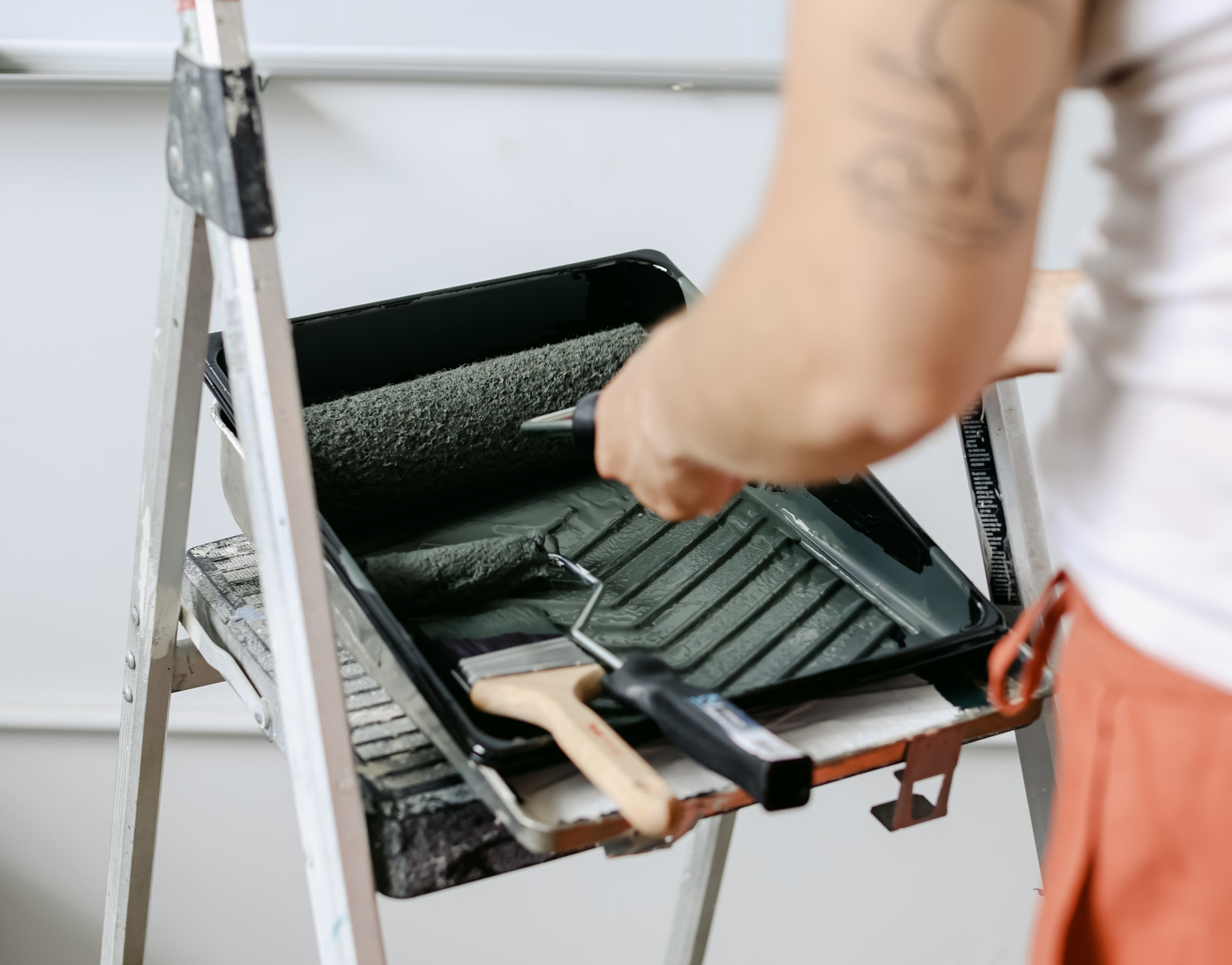
There’s a moment in every painting project where the first coat looks good enough and the temptation to immediately roll on the second coat becomes almost irresistible. The wall is covered, the color is close, and the mental math starts working against you — if you apply the second coat now, you could be done by dinner instead of waiting until tomorrow. This is the moment where more paint jobs go wrong than at any other stage of the process. Applying a second coat before the first coat has properly dried doesn’t just risk cosmetic imperfections. It triggers a cascade of film formation failures that can compromise the entire paint system from the inside out, leaving you with a finish that looks acceptable for a few weeks and then begins cracking, peeling, or developing an uneven cloudy texture that no amount of touch-up can correct. For Minneapolis homeowners dealing with a climate that directly influences how paint dries and cures, understanding the real science behind recoat timing isn’t just helpful knowledge. It’s the difference between a paint job that lasts eight years and one that starts failing before the first winter is over.
What’s Actually Happening When Paint Dries — and Why “Dry” Doesn’t Mean “Ready”
Most homeowners think of paint drying as a simple evaporation process: the wet paint goes on the wall, the water or solvent evaporates into the air, and what’s left behind is the finished film. That understanding isn’t wrong, but it’s dangerously incomplete. Paint film formation is a multi-stage chemical and physical process, and the stage that matters most for recoat timing is one that’s completely invisible to the naked eye.
When latex paint is applied to a wall, the water in the formulation begins evaporating almost immediately. This is the initial flash-off phase, and it’s the stage most people associate with drying. Within thirty to sixty minutes under normal conditions, the paint surface will feel dry to a light touch. This is called surface dry or touch dry, and it’s the stage that tricks homeowners into thinking the wall is ready for another coat. But beneath that dry-feeling surface, a critical process called coalescence is still underway. During coalescence, the microscopic resin particles suspended in the paint are slowly merging together, fusing into a continuous, interlocking polymer film. This process requires both time and specific environmental conditions to complete. If a second coat is applied while coalescence is still active in the first coat, the weight and moisture of the new layer disrupts the film formation happening underneath. The fresh solvent in coat two partially re-wets the still-coalescing first coat, causing the two layers to intermingle rather than bond as distinct, properly formed films.
The result is a single, thicker, poorly coalesced hybrid layer instead of two well-bonded individual coats. This compromised film has weaker internal cohesion, reduced flexibility, and inconsistent density, meaning it will crack more easily under stress, show roller marks and lap lines that wouldn’t otherwise be visible, and develop adhesion failures much sooner than a properly timed two-coat system.
The Recoat Window: Reading the Can vs. Reading the Room
Every paint can lists a recommended recoat time, typically somewhere between two and four hours for modern latex interior paints. This number is a starting point, not a guarantee, because it’s based on laboratory conditions that rarely match the reality inside a Minneapolis home. The standard testing conditions for recoat time specifications are seventy-seven degrees Fahrenheit and fifty percent relative humidity. These are reasonable summer conditions for a climate-controlled space, but they bear little resemblance to the environment inside many Twin Cities homes during a significant portion of the year.
During Minneapolis winters, indoor humidity commonly drops to fifteen to twenty-five percent while forced-air heating keeps temperatures in the upper sixties. The low humidity actually accelerates surface evaporation, making the paint feel touch-dry faster than the label suggests. This fools many homeowners into thinking they can recoat sooner. But here’s the counterintuitive problem: while the surface dries faster in low humidity, the coalescence process underneath can actually slow down. Coalescence depends on the resin particles remaining mobile enough to fuse together, and extremely dry air can cause the outer surface of the paint film to skin over too quickly, trapping solvent beneath the surface and slowing the internal curing process. This phenomenon, known in the coatings industry as skinning, means that the paint may feel perfectly dry on the outside while remaining insufficiently coalesced underneath, even past the labeled recoat time.
In summer, Minneapolis homeowners face the opposite challenge. High humidity slows surface evaporation, meaning the paint stays visibly wet or tacky longer. The recoat time printed on the can may need to be extended by an hour or more during a humid July afternoon, especially in rooms without air conditioning or dedicated dehumidification. Applying a second coat to a summer-humidity first coat that still has a slightly tacky feel guarantees adhesion problems, because the second coat’s solvent will bond with the residual moisture rather than with the underlying resin film.
Temperature: The Variable Most Homeowners Underestimate
Temperature affects recoat timing in ways that are less obvious than humidity but equally important. Most latex interior paints require a minimum application and curing temperature of fifty degrees Fahrenheit, but optimal film formation happens between sixty and eighty degrees. Below sixty degrees, the resin particles become sluggish and coalescence slows dramatically. In a Minneapolis home during a cold snap, rooms with exterior-facing walls, especially those with older insulation or single-pane windows, can have wall surface temperatures significantly lower than the air temperature shown on the thermostat. Your room may read sixty-eight degrees at the thermostat, but the drywall surface on a north-facing exterior wall could be eight to twelve degrees cooler. That wall surface temperature is what determines how quickly the paint film coalesces, not the ambient room temperature.
This means that a first coat applied to a cold exterior wall on a January morning may need substantially longer recoat time than the same product applied to an interior partition wall ten feet away. Painting an entire room and then recoating the whole thing on a single timeline can result in properly cured coats on the warm walls and under-cured coats on the cold walls, creating inconsistent durability across the same room. Professional painters in the Twin Cities account for this by testing wall surface temperatures and adjusting recoat schedules wall by wall when necessary, rather than applying a single blanket timeline to the entire space.
What Happens When You Recoat Too Soon: The Visible and Invisible Failures
The immediate cosmetic symptom of recoating too soon is usually a defect called blocking or lifting. When the second coat’s solvent penetrates the still-soft first coat, the roller or brush physically pulls the first coat away from the wall in spots, creating a rough, uneven texture that’s visible as soon as the second coat dries. In less severe cases, the damage shows up as a cloudy, uneven sheen across the finished surface, where areas of thicker intermixed paint reflect light differently than areas where the coats remained properly separated.
But the more damaging consequences are the ones you won’t see for months. A poorly coalesced base coat has significantly reduced adhesion to the primer or wall surface beneath it, and this weakness grows worse over time as the compromised film continues to cure unevenly. The first real stress test usually comes during Minneapolis’s fall-to-winter transition, when rapid humidity drops and the onset of heating cycles create thermal and moisture stress across every painted surface. A properly applied two-coat system flexes with these changes because each well-formed coat acts as an independent, elastic film. A prematurely recoated system, with its single compromised hybrid layer, lacks this flexibility and begins showing hairline cracks and edge peeling along trim lines and ceiling joints, often within the first six months.
The other hidden cost is reduced washability. A fully coalesced paint film has a dense, uniform surface that resists staining and cleans easily. A paint film where coalescence was interrupted by premature recoating has a more porous, less uniform surface structure that absorbs dirt and stains more readily and damages more easily during cleaning. Homeowners often attribute this poor washability to the paint product itself, when in reality the product was fine — the application timing just didn’t allow it to form the film it was designed to create.
Practical Guidelines Adjusted for Minneapolis Conditions
For standard interior latex paint applied in a Minneapolis home with functioning climate control, a safe recoat window during winter months is four to six hours, even if the label says two to four. The additional time accounts for the skinning effect caused by low humidity and the potential for cold wall surfaces to slow coalescence. During summer months with moderate humidity and good air circulation, the label time of two to four hours is generally reliable, but extending toward the longer end of that range is always the safer choice.
For kitchens and bathrooms where humidity is elevated, add at least an extra hour beyond the label recommendation. For rooms where you’re painting exterior-facing walls during cold months, consider allowing the first coat to dry overnight before recoating, regardless of what the label suggests. The overnight window gives coalescence the time it needs to complete fully, even on the coldest wall surfaces in the room, and the improvement in final film quality is well worth the scheduling adjustment.
Primer coats deserve their own attention. Many homeowners rush through primer recoat times even more aggressively than finish coats, assuming primer is less important. In fact, the primer coat’s adhesion to the bare wall and its film formation quality are the foundation that everything above it depends on. A primer coat that’s recoated before it fully cures creates a weak link at the very base of the paint system. Allow primer full labeled dry time at minimum, and err toward overnight drying in cold or dry conditions.
When Professional Timing and Technique Make the Difference
Recoat timing is one of those details that separates a professional paint job from a weekend DIY project in ways that only become apparent months down the road. It’s easy to get the color right, and modern paints are forgiving enough that application technique doesn’t have to be perfect. But the invisible patience of allowing proper dry times between coats — adjusted for the specific humidity, temperature, and wall conditions present in your home on that particular day — is where long-term durability is built. Headwaters Painting brings this expertise to every project, monitoring conditions throughout the process and adjusting recoat schedules to match what your walls actually need rather than defaulting to the shortest time the label allows. If you’re planning an interior painting project and want it done with the precision and patience that produces a finish built to last through Minneapolis winters, contact our team to schedule a free estimate. We’ll make sure every coat goes on at exactly the right time, so the final result holds up for years instead of months.